
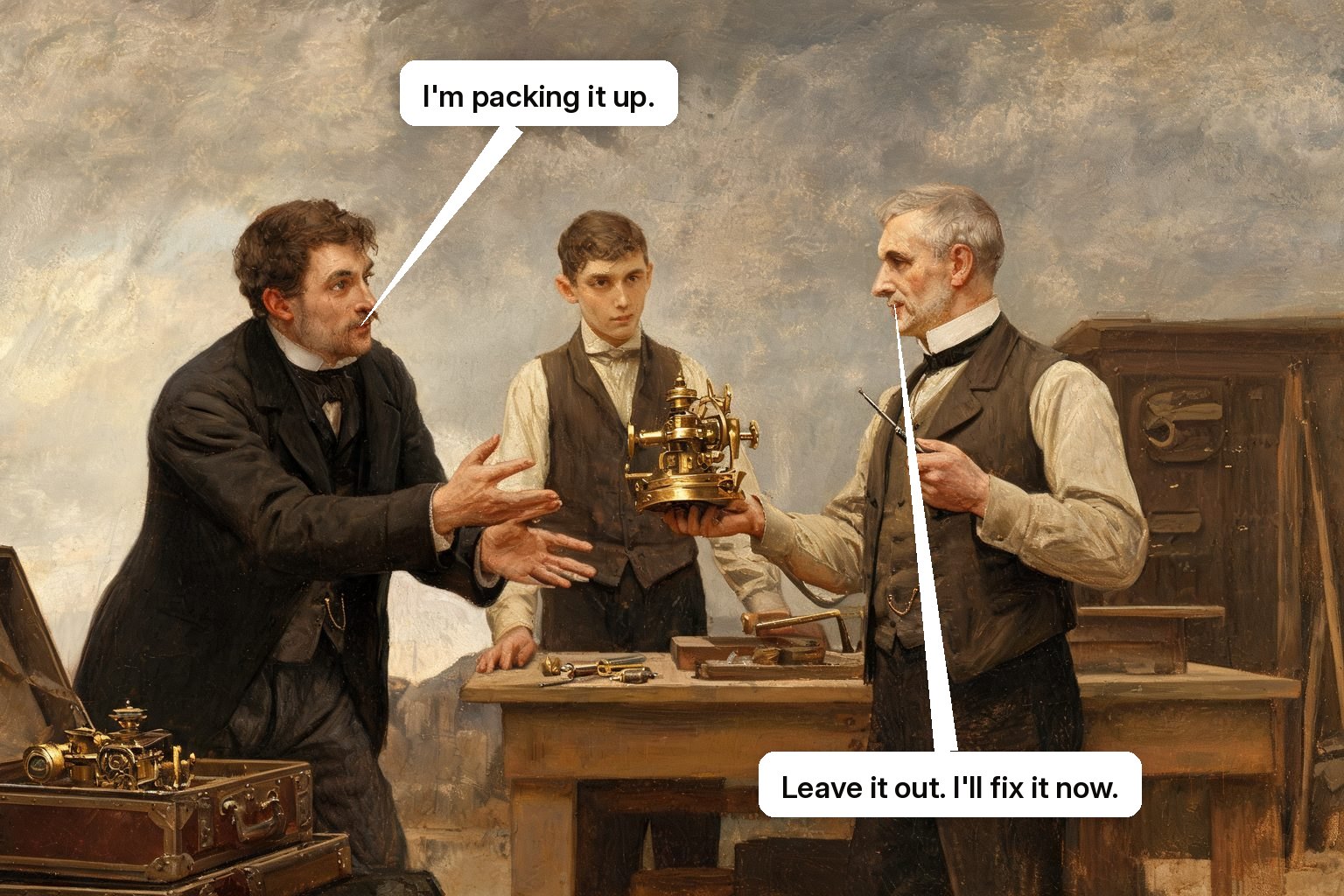
Every escalation is two things at once: a problem too big for the first line, and an account at a fork. Handled generically, escalations accumulate into the resentment that surfaces at renewal; handled deliberately, they're the moments that build the loyalty vendors can't buy. Escalation design is retention work wearing a support costume.
Why escalations decide more than tickets do
Customers judge vendors less by whether things break than by what happens next, the recovery, not the failure, writes the memory. And escalations concentrate the stakes: they're the tickets involving real operational pain, the ones the customer's own leadership hears about, the ones filed by the champion who sold you internally. A fumbled escalation, re-explaining from zero, tier ping-pong, days of silence, doesn't stay a support metric; it becomes a story told in the renewal meeting. A handled one becomes the opposite story, and customers repeat both kinds.
What a retention-grade escalation looks like
Four properties, all designable. Context completeness: the human receives the full diagnostic picture, what's configured, what was tried, what the evidence shows, so the customer never repeats themselves, the single most-felt failure in escalation experiences. Continuity: one thread, visibly owned, from first line to resolution; the customer talks to a process, not a lottery of strangers. Communication during: silence reads as abandonment precisely when attention is the product; scheduled updates, even without news, are retention behavior. Documentation after: what happened, what fixed it, what changes so it doesn't recur, closing an escalation with a cause-and-prevention note converts a bad week into evidence of competence.
Where the agent changes the economics
The first line shapes everything downstream. A screen-aware support agent resolves the resolvable majority, so escalations that reach humans are genuinely escalation-worthy, fewer, better qualified, arriving with the diagnostic package already assembled (the agent documents every escalation as a matter of mechanism, not discipline). Human attention, the scarce retention resource, concentrates where it changes outcomes. And because the agent team shares account memory, the escalation knows the account's history: onboarding state, past issues, renewal date, the difference between treating a ticket and treating a relationship.
Instrumenting the fork
Track escalated accounts as a cohort: retention at the next renewal versus matched non-escalated accounts, re-contact quality (did they come back with the next problem, silence after an escalation is often the bad sign), and time-to-first-human-touch with context. Many teams discover well-handled escalations retain better than no-incident accounts, recovery, done right, is a trust event. (Disclosure: escalation-with-full-context is a design principle of Skippr's support agent, humans in the loop by design, documented every time.)
Questions buyers actually ask
Should escalations route by account value?
Route speed maybe; route quality never, context completeness and continuity should be mechanical for every account, because today's small account is next year's logo.
What's the most common escalation failure?
Making the customer re-explain. It's also the most fixable: context should travel by mechanism, not by the customer's patience.
Can an escalation really improve retention?
Measured cohorts say yes when recovery is fast, communicative, and documented, competence under pressure is the most credible marketing you'll ever do.
See it handle a real question
A support answer either resolves the thing or describes it. Fifteen minutes is enough to see which one you are getting.